


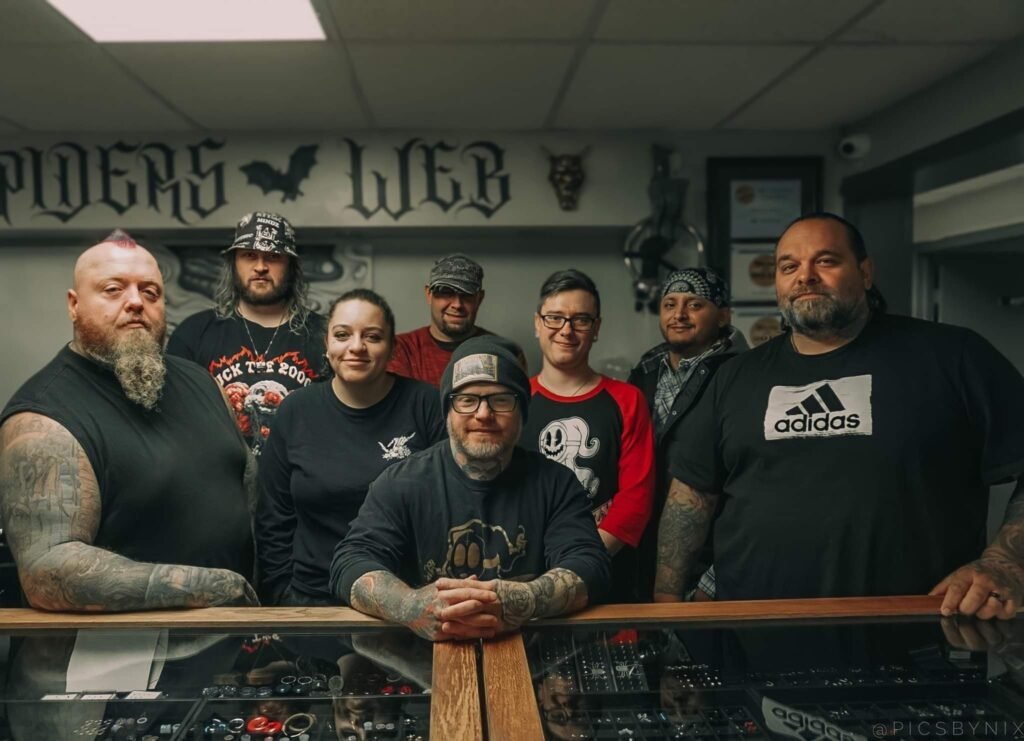
Tattoo and piercing studio owners, artists or piercers are creative professionals and hence will invariably work closely with your client which in turn makes safety & legal protection pivotal. Workers’ Compensation Insurance in IDAHO can offer your tattoo artists & piercers, apprentices, front-desk staff and you Idaho studio protection from workplace injuries, liability claims or unexpected business expenses.
Whether your tattoo business is a small shop or larger full-service body modification studio, maintaining proper Workers’ Compensation Insurance, General Liability Insurance and/or Business Owner’s Policy (BOP) will keep you compliant with Idaho state laws and your body art business protected.

Tell us about your Idaho business type, number of employees, annual payroll, and industry requirements.

Our team reviews your needs and provides a personalized, no-obligation Idaho Workers’ Comp

We handle the paperwork, compliance checks, and setup so you can stay focused on running your business.

From certificate requests to policy updates, we provide 24/7 Idaho-based customer support.
Most Idaho businesses are required to obtain Workers’ Compensation Insurance, such as tattoo and piercing parlors that have employees. This offers both vital financial protection for a person whop is injured or suffers from an illness linked to work related activities.
Tattoo and piercing shops have their own particular hazards including needle wounds, infections, musculoskeletal problems from repetitive strain injuries, slips and falls as well as exposure to chemicals. IDAHO Workers’ Compensation Insurance for Tattoo & Piercing Parlors covers these risks to keep your business compliant with state laws.
Workers’ Compensation Insurance is required for most Idaho employers. If staff get hurt on the job, it safeguards your employees and protects your business from medical bills, lost wage, rehabilitation and disability benefits.
From a construction firm, to a retail store, to a restaurant and/or service-based company—Workers Compensation Insurance in Idaho provides compliance while minimizing financial liability.
General Liability Insurance protects your business from claims of:
✔ Bodily injury
✔ Property damage
✔ Accidents involving customers or vendors
✔ Personal or advertising injury
For any Idaho business that works directly with customers—contractors, home service providers, retail stores, and offices—General Liability Insurance is a must-have. It is frequently required for licensing, contract work, and vendor partnerships.
A Business Owner’s Policy in Idaho (BOP) combines:
✔ General Liability Insurance
✔ Commercial Property Insurance
into one affordable, bundled policy. This is ideal for small to mid-sized businesses wanting broad protection with lower premiums.
A BOP helps protect your building, contents, and daily operations—all under one simple package.
We believe in long-term relationships, not just transactions.
In addition to these central problems for design as a whole, many philosophers of design consider these problems as...
Although most practitioners are philosophers, several prominent designers and artists have contributed to the field. Graphic design has seen...

Workers’ Compensation Insurance in Idaho provides wage replacement and medical benefits if an employee is injured on the job. Idaho law requires most businesses with employees to carry workers’ comp. This coverage protects your business from lawsuits and ensures injured workers receive proper care without financial stress.
All employers in Idaho with one or more employees must have workers’ comp insurance. This includes:
Small businesses
Contractors
Retail and service-based companies
Seasonal employers
Part-time and full-time employees
A Idaho workers’ compensation policy typically includes:
Medical expenses for work-related injuries
Wage replacement during recovery
Disability benefits
Rehabilitation costs
Death benefits for families in case of fatal injury
Employer liability protection
This coverage keeps your business compliant and reduces out-of-pocket expenses from workplace accidents
The cost depends on several factors including:
Type of business and job risk classification
Total payroll
Number of employees
Claim history
Safety procedures and training
High-risk industries like construction or manufacturing often pay more, while small office-based businesses typically pay less.
Independent contractors are not required to carry insurance unless the hiring company classifies them as employees under Idaho law. However, contractors who want to protect themselves financially may voluntarily purchase coverage.